Tech Guide · Category

Fitness

Staying strong and keeping your heart healthy matter just as much after a disability, and it is often harder to find equipment that works from a seated position. These are machines and bikes built for wheelchair users and people with limited hand or leg function. Check with your doctor or physical therapist before starting something new.

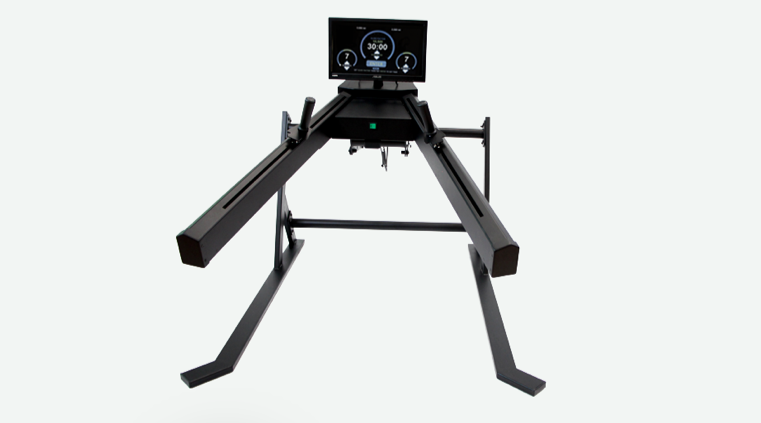
VitaGlide wheelchair-accessible cardio machine with a rowing-style motion for an upper-body workout.

Library demo Fitness

VitaGlide

A cardio machine you can use from your wheelchair, with a rowing-style arm motion.

VitaGlide gives an upper-body workout from a seated position. You roll up to it and use a rowing-style motion.

Who it may help

Wheelchair users and others who want a cardio workout that does not depend on their legs.

Questions to ask your clinician

  • Is this kind of upper-body cardio safe for my shoulders?
  • How often and how hard should I work out to start?
  • Where can I see one before deciding?

Paying for it

Exercise equipment is less often covered by insurance. People sometimes find access through a rehab gym, an adaptive sports program, the VA, or a grant. If cost is the barrier, contact us and we can think it through with you.

Can I see one?

We keep one in our Equipment Library for in-person demos only. Use the form on that page if you want to schedule a demo.

Read our take on VitaGlide

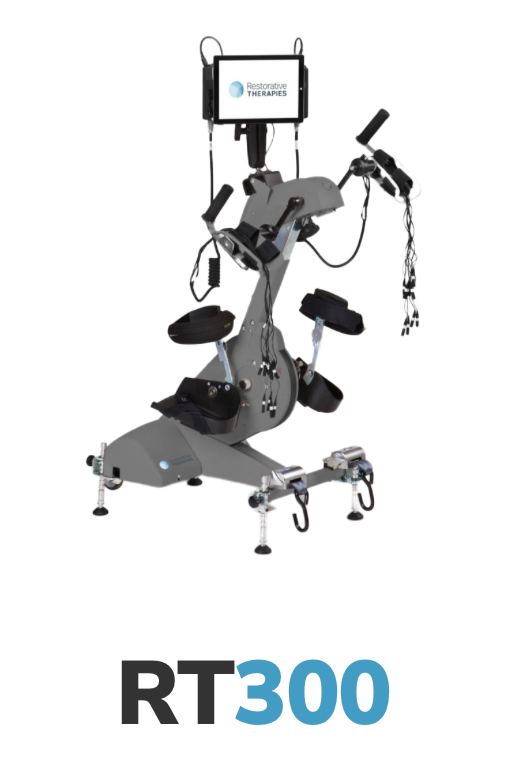
RT300 medical-grade FES cycle that pairs pedaling with electrical stimulation to help maintain muscle mass and circulation.

Library demo Fitness

RT300 FES Bike

A cycle that pairs pedaling with electrical stimulation of the muscles.

The RT300 from Restorative Therapies uses functional electrical stimulation (FES) to help muscles move the pedals. It is clinical equipment, often used in rehab settings.

Who it may help

People with paralysis or weakness, for example after a spinal cord injury or stroke, who want to keep muscles and circulation working.

Questions to ask your clinician

  • Am I a good candidate for FES cycling?
  • Is there a clinic or rehab gym near me that has one?
  • What would a realistic routine look like for me?

Paying for it

Clinical devices like this are sometimes covered by insurance or the VA when a doctor prescribes them, and some rehab centers have one you can use on site. Ask your care team what route makes sense before you look at buying one.

Can I see one?

We keep one in our Equipment Library for in-person demos only. Use the form on that page if you want to schedule a demo.

Read our take on RT300 FES Bike

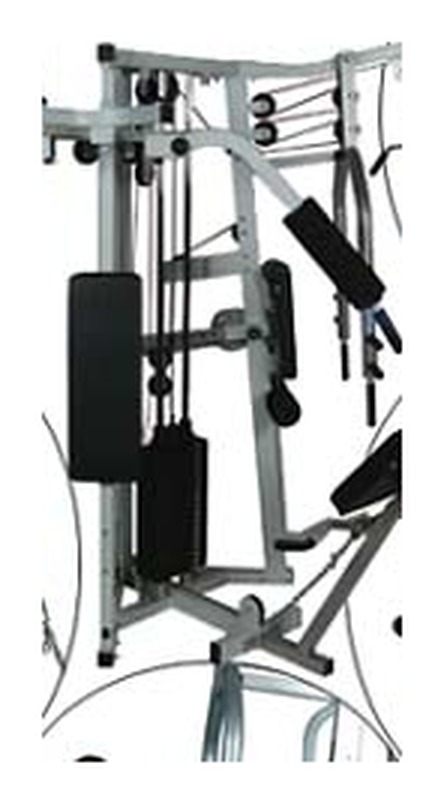
Apex Challenge Circuit 7000: a silver corner multi-gym with a weight stack, pulleys, cables, and padded stations.

Fitness

Apex Challenge Circuit 7000

A corner multi-gym set up for people with paraplegia and quadriplegia.

This weight-stack gym has stations for rows, pulls, and curls, with grips and cuffs that help when hand strength is limited.

Who it may help

People who want strength training at home or in a shared space and need equipment that works from a wheelchair and with limited grip.

Questions to ask your clinician

  • Which exercises are right for my level of injury and my shoulders?
  • Will I need grip cuffs or other adaptations?
  • Do I have the space for a machine like this?

Paying for it

Exercise equipment is less often covered by insurance. People sometimes find access through a rehab gym, an adaptive sports program, the VA, or a grant. If cost is the barrier, contact us and we can think it through with you.

Can I try one?

This is not in our Equipment Library right now. If you want help finding a place to see or try one, contact us.

Read our take on Apex Challenge Circuit 7000

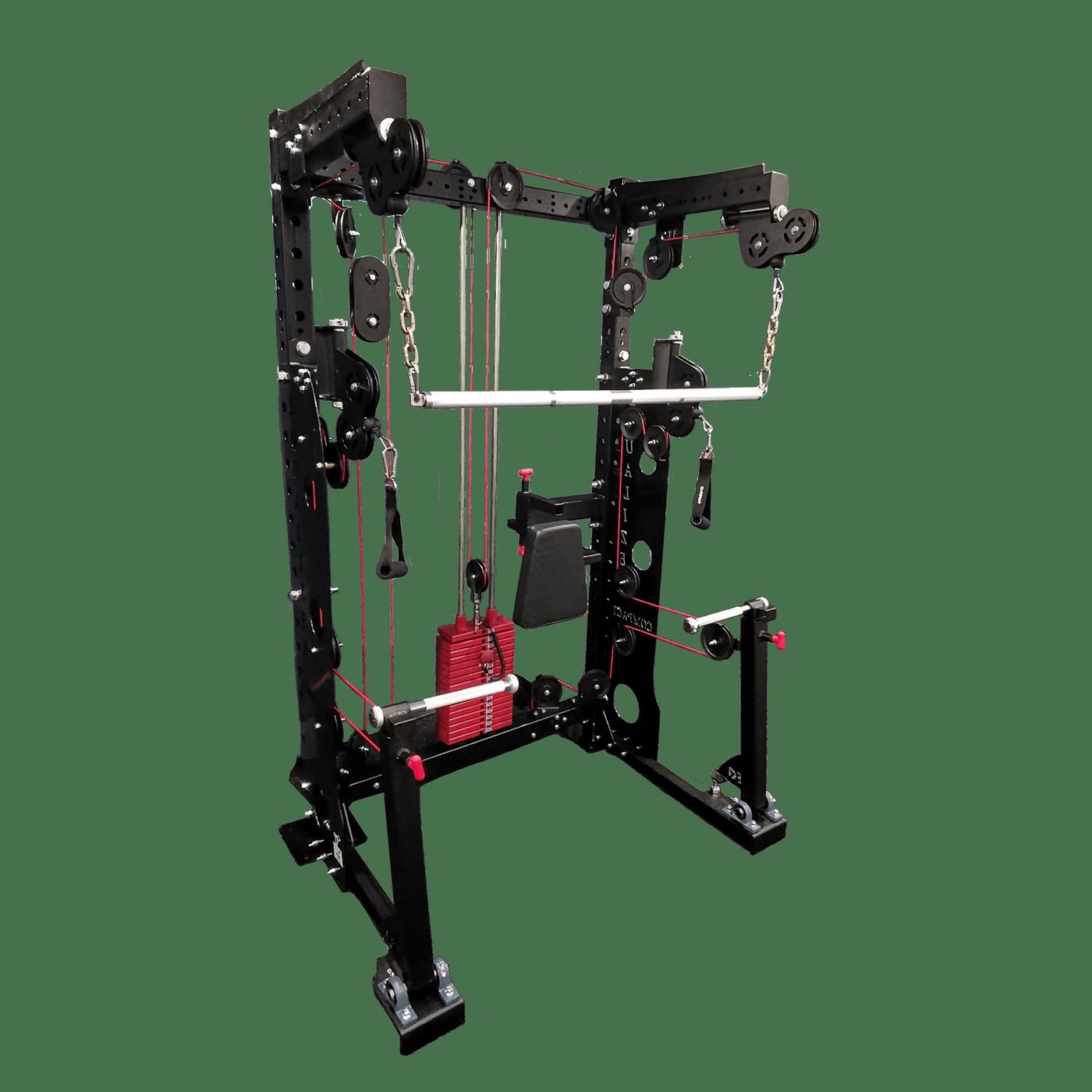
Equalizer 6000 wheelchair-accessible multi-gym: a black roll-in weight-stack frame with red cables, lat bar, and open front for wheelchair access, shown empty against a dark background.

Fitness

Equalizer 6000

A roll-in gym so you can strength train from your own wheelchair.

The Equalizer 6000 has an open front so you can roll in and train without transferring. The arms adjust for height and width, and it is made for home gyms as well as clinics.

Who it may help

Wheelchair users who want a range of upper-body exercises in one compact machine.

Questions to ask your clinician

  • Which stations and movements are safe for me?
  • How should the arms be set for my reach?
  • Is there a gym or clinic nearby where I can try one?

Paying for it

Exercise equipment is less often covered by insurance. People sometimes find access through a rehab gym, an adaptive sports program, the VA, or a grant. If cost is the barrier, contact us and we can think it through with you.

Can I try one?

This is not in our Equipment Library right now. If you want help finding a place to see or try one, contact us.

Read our take on Equalizer 6000

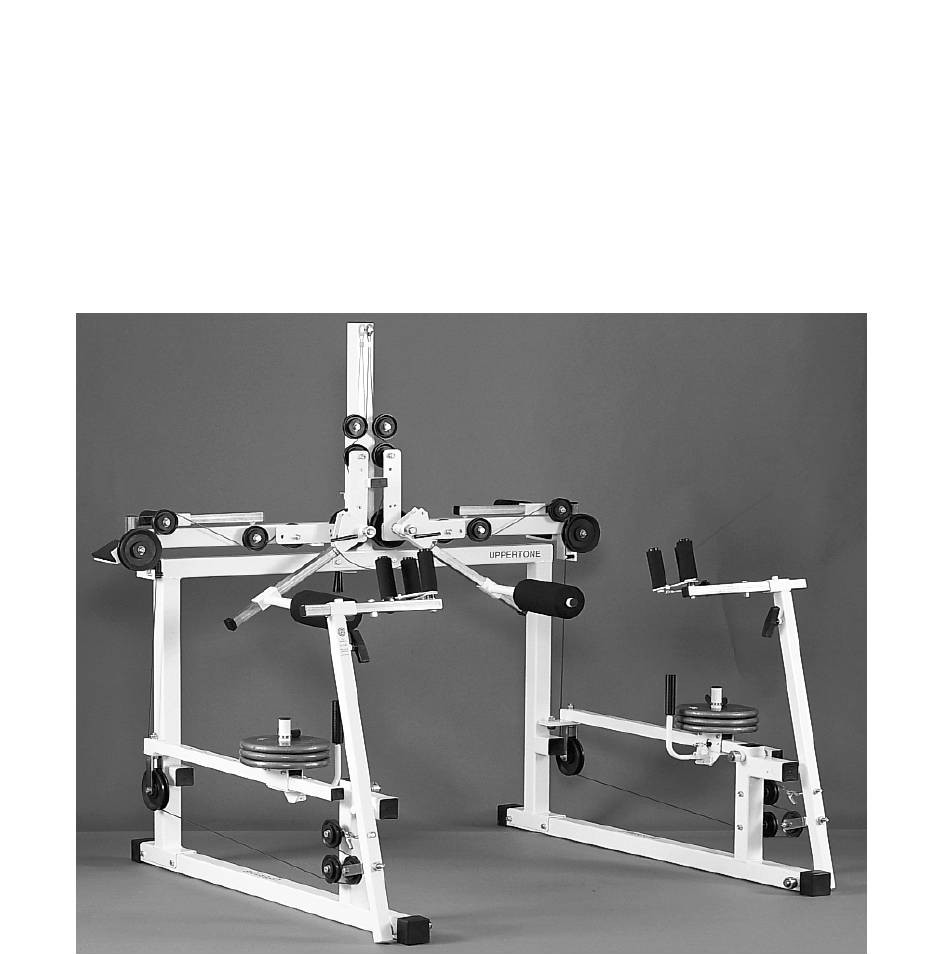
GPK Uppertone multi-station upper-body strength system: a white roll-in frame with foam-padded levers, pulleys, and weight pegs, shown empty against a studio background.

Fitness

GPK Uppertone

An upper-body strength system designed for people with tetraplegia.

Uppertone is built so you can change stations and resistance without grip strength, wrist cuffs, or another person helping. It works from a manual or power wheelchair.

Who it may help

People with tetraplegia or very limited hand function who want to strength train on their own.

Questions to ask your clinician

  • Which exercises will help most with my daily transfers and pushing?
  • How do I avoid overusing my shoulders?
  • Where can I see or try one?

Paying for it

Exercise equipment is less often covered by insurance. People sometimes find access through a rehab gym, an adaptive sports program, the VA, or a grant. If cost is the barrier, contact us and we can think it through with you.

Can I try one?

This is not in our Equipment Library right now. If you want help finding a place to see or try one, contact us.

Read our take on GPK Uppertone

No news stories in Fitness yet. New ones appear here automatically.

Back to the Tech Guide All Tech News

These are our own notes, written to help you have a better conversation with your clinician. They are not medical advice, and we do not sell any of these products. Want to talk it through? Contact us.